
Blog posts tagged "Design"

Open source powers up to 90% of modern software, yet many projects lack usability. Canonical’s Design team surveyed 115 cross-functional professionals to uncover the 4 core challenges UI/UX designers face when contributing, and how maintainers can solve them.
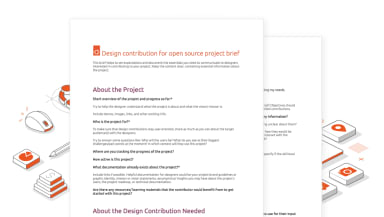
As designers working at Canonical, we’re always thinking about open source. We believe that encouraging more designers to contribute to open source benefits everyone, from the project maintainers to the end users themselves. In the 2025 edition of FOSSBackstage conference, we presented our research findings on why designers don’t get
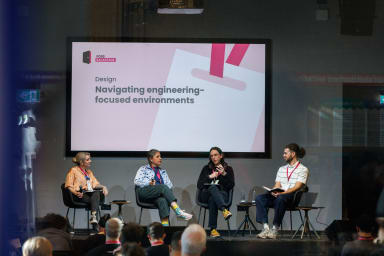
Open source thrives on engineering-driven processes. Fast feedback loops, terminal tools, Git workflows: they’re the lifeblood of how we build software in the open. But for software to truly excel, we need to create user experiences that empower people to use them. I wanted to bring this conversation into the spotlight as part of Canonica
Hi, I’m Johann! I’m an engineering manager in Canonical’s web team. For the larger part of my 15 years of work experience as engineer, I’ve been working in web development. Like many software engineers, one of my first software development experiences started with creating my own web page. Since that time almost 25 years ago,
Last year, we had the opportunity to speak at Regent’s UX Conference (Regent’s University London’s conference to showcase UX work by staff, students, and alumni), where we engaged with students to make them aware of open design and their ability to contribute design skills to open source projects. The talk sparked great discussion, and we
Last year, we collaborated with two design student teams from Loughborough University in the UK. These students were challenged to work on open source project briefs. Team 1 focused on non-code contributions, while Team 2’s brief was to create a unified documentation experience, giving them a chance to apply their design skills to real-wo
FOSDEM is one of the biggest and most exciting open source events of the year, held at the Solbosch campus of the Université Libre de Bruxelles (Brussels), Belgium. Thousands of open source contributors and enthusiasts attend, often with several folks from Canonical among them. The next one is coming quickly, with FOSDEM 2026 being held
What if you could work on real-world projects, shape cutting-edge technology, collaborate with developers across the world, make a meaningful impact with your design skills, and grow your portfolio… all without applying for an internship or waiting for graduation? That’s what we aim to do with open design: an opportunity for universities
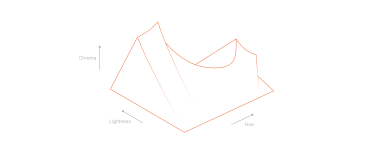
This is the first of two blog posts about how we created the color palette for a new design system at Canonical. In this post I share my journey into perceptually uniform color spaces and perceptual contrast algorithms. If you’re already familiar with these concepts, skip to this section (or visit the Github repository) to
Part 2 of our series on how our team created content for our design website. Get insights, tools, and lessons to help you run your own design sprint.
Canonical’s Platform Engineering team has been hard at work crafting documentation in Rockcraft and Charmcraft around native support for web app frameworks like Flask and Django. It’s all part of Canonical’s aim to write high quality documentation and continuously improve it over time through design and development processes. One way we i
Co-authored with Julie Muzina A year ago, during our Madrid Engineering Sprint, we challenged ourselves to dramatically reduce, or even eliminate, the need for constant design involvement in the day-to-day creation of web pages. Our strategy for achieving this is based on a smarter, more structured approach to content. The challenge: brid
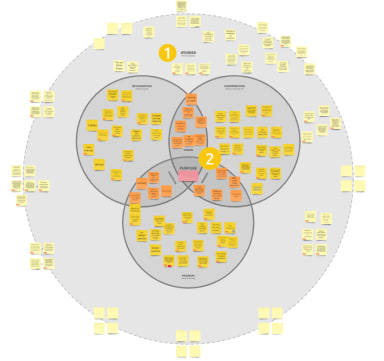
Part 1 of how we ran a design sprint to refresh our website. Sharing what worked, what didn’t, and lessons from designing for open source in mind.
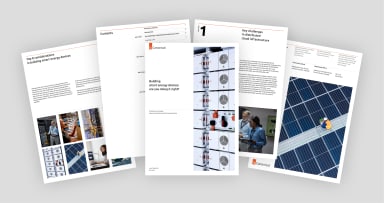
We recently redesigned our whitepapers as part of our broader rebranding project. Let’s look at some of the ideas behind our approach to layout and typography. The goal? A reliable, accessible modular system that communicates with clarity, purpose and precision across mediums — qualities that tie directly back to our brand values. Context

Open source is one of the most exciting, but often misunderstood, innovations of our modern world. I still remember the first time I installed linux on my laptop, saw the vast array of packages I could install on it, all the utilities and libraries that make it work, all the forum threads filled with advice
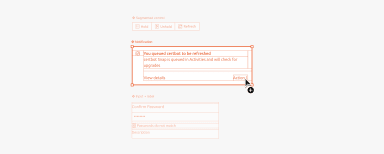
How Canonical’s Design team rebuilt their Figma libraries, with practical guidelines on structure, performance, and maintenance processes.